
Fallosophy · Game Guides · Guide
Fallosophy Tips — Flipper Technique and Mistakes to Avoid
Practical Fallosophy tips: the edge flip, bounce and cradle techniques, the two-button inputs to memorize, and the mistakes that cost minutes of climbing.
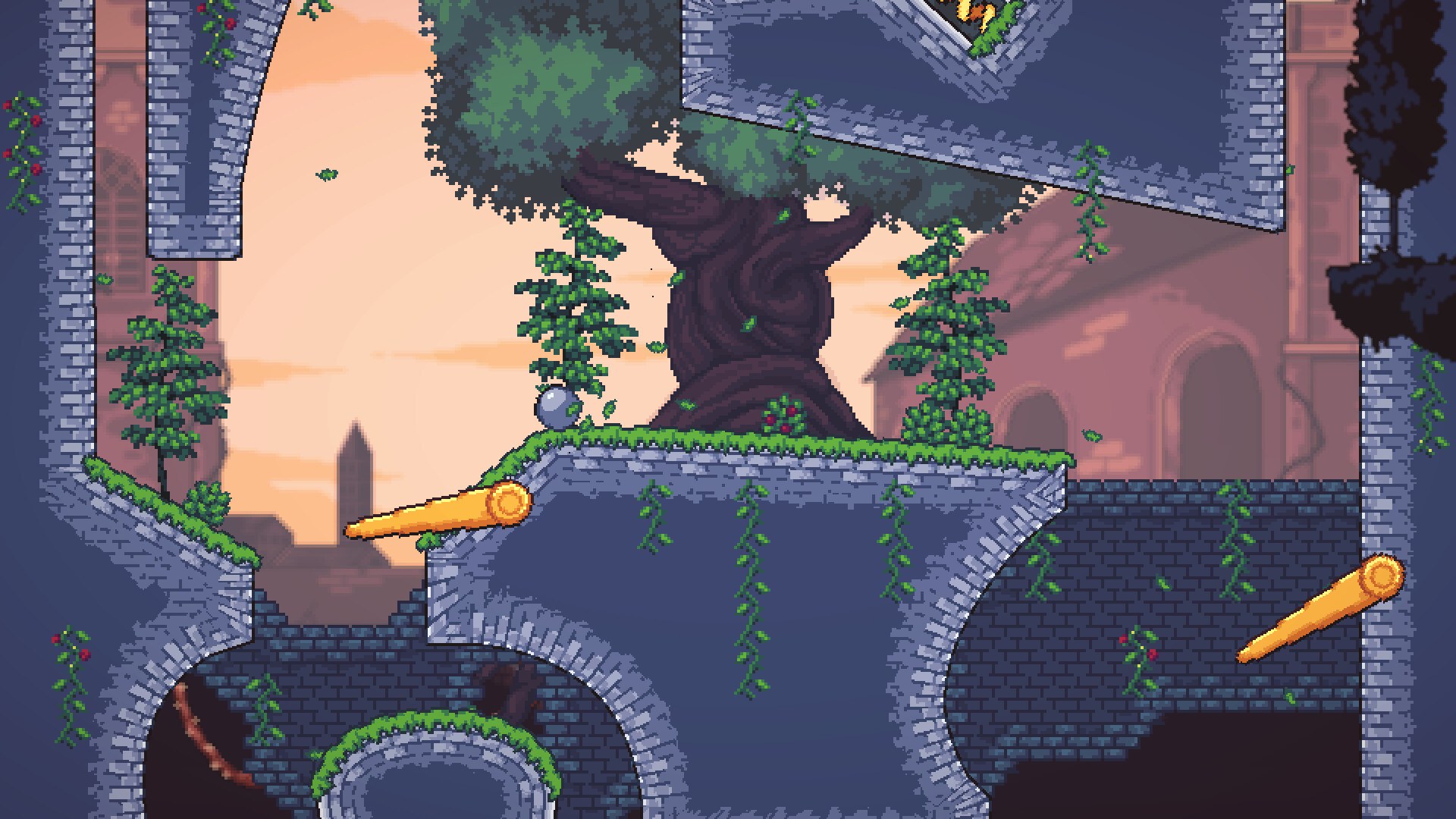
The best Fallosophy tips all come from one design decision: the game runs on two buttons, so every gain comes from technique rather than equipment. There are no upgrades, no ability unlocks, and no enemies — the press release is explicit that mastery comes from understanding the physics, and the developer warns that blindly flipping will send you back to the base of the world. That makes the flipper techniques themselves the tips. Learn the three named motions, memorize the input map, and avoid the handful of mistakes the community keeps repeating.
Learn the Three Motion Techniques
The developer names three philosophies of motion, and TechTimes\u2019 launch write-up breaks down how each one maps to real pinball technique:
| Technique | What you do | What it buys you |
|---|---|---|
| Edge flip | Apply force at the flipper\u2019s tip, where leverage is maximum | A sharper launch angle and higher velocity than a flat contact |
| Bounce | Redirect momentum using the natural rebound angle, no active input | Free redirection without the risk of mistimed flipping |
| Cradle | Time the flipper rise to absorb rather than reflect the ball | The pinball live catch: hold the ball and aim before a critical launch |
The developer\u2019s itch.io page frames these as the subtle bounce, the edge flip, and the cradle — instruments of thought rather than tricks. Failing to distinguish an edge flip from a flat contact is, per the same framing, the difference between gaining a floor of philosophy and losing twenty minutes of careful climbing.
Inputs to Memorize Before You Climb
The control surface is tiny, but the blue/orange object split means each button owns its half of the table. From the developer\u2019s own documentation:
| Action | Input | Notes |
|---|---|---|
| Left flipper | A | Also interacts with blue objects |
| Right flipper | L or D | Also interacts with orange objects |
| Pause | P | Opens the pause menu |
| Feedback | F | Opens the feedback panel and QR code |
Do\u2019s worth building into muscle memory:
- Clear your mind before each launch — the developer\u2019s own instruction — and read which color-coded objects a section uses before committing.
- Prefer the cradle when precision matters: catching and aiming beats hoping a full-power flip lands.
- Use the free demo on Steam to drill the three techniques with zero stakes before playing the full climb.
Mistakes That Send You Back Down
The documented failure modes are consistent across the developer\u2019s pages:
- Blindly flipping — the developer\u2019s stated way to end up back at the base of the world.
- Treating it like a power game — there is no win button; the game is explicitly not a power fantasy.
- Expecting mercy from falls — a single error can cost minutes or hours, and falling is part of the experience by design.
- Rushing the climb — the game rewards controlled momentum, and progress is earned through mastery rather than upgrades.
One final framing tip from the launch press release: failure is the core experience, not a setback against it. Players who treat each fall as information about the flipper\u2019s nature climb faster than players who treat it as lost time — and the two-button design means there is nothing to buy or unlock that would let you skip that lesson.
FAQ
- What is the most important Fallosophy tip for beginners?
- Stop hammering the buttons. The developer warns that blindly flipping sends you back to the base of the world — the game is won by understanding the flipper\u2019s nature: the subtle bounce, the edge flip, and the cradle.
- What is the edge flip in Fallosophy?
- A flip applied at the flipper\u2019s tip, where leverage is maximum. It launches Baetyl at a sharper angle and higher velocity than a flat contact, which is the difference between gaining a floor and losing a long climb.
- What is the cradle used for?
- The cradle is pinball\u2019s live catch: timing the flipper rise to absorb rather than reflect the ball, so you can hold and aim before a critical launch instead of bouncing somewhere random.
- Are there upgrades or shortcuts in Fallosophy?
- No. The press release states there are no upgrades, no enemies, and no ability unlocks — mastery comes only from understanding the physics, and there are no shortcuts to enlightenment.
- How bad is a fall in Fallosophy?
- The developer says a single error can send you falling minutes, or hours, down the world. Falling is designed as part of the learning loop, but patience is part of the price of admission.
More in Game Guides
More game guides pages in Fallosophy.
References
- Fallosophy Announced — GamesPress (Official Press Release)
- Pinball Platformer Fallosophy Makes Falling Through Philosophy Its Mechanic — TechTimes
- Fallosophy Beta by Reliable Plumbing Services (itch.io)
- Fallosophy on Steam (Store Page)
Facts on this page are compiled from the references above. Items marked "to confirm" are single-source and not yet verified.