
Olympus 2249 · Game Guides · Guide
Olympus 2249 Guide
An Olympus 2249 guide to your first Early Access run: the paired attributes, your two specializations, how Karma gates quests and how turn-based combat works.
Olympus 2249 is a single-player, isometric, turn-based cRPG from Dieselship Studio, and this guide covers what a new player actually needs in the first few hours: how the attribute pairs force a trade-off, which two specializations to take, how Karma decides which quests you can even see, and why the turn-based fights punish anyone who ignores the scenery. It entered Steam Early Access on 6 October 2026 at $19.99, and the Early Access slice is the first of three planned story acts.
Start Here: The 60-Second Version
Everything below hangs off a small set of store-page facts, so it is worth pinning them down before you touch character creation. Olympus 2249 is not a large open-world game and it is not a shooter: it is a turn-based role-playing game in which the character you build decides which content exists for you at all.
| Item | Detail |
|---|---|
| Developer and publisher | Dieselship Studio |
| Release | 6 October 2026, Steam Early Access |
| Price | $19.99 |
| Platforms | Windows, macOS and Linux |
| Steam genre tags | Adventure, Indie, RPG |
| Steam achievements | 12, worth 50 points in total |
The store page describes the game as an isometric post-apocalyptic cRPG in a brutal dieselpunk world, where your Karmic Type shapes dialogue, quests and story. Combat is turn-based, uses positioning, environmental hazards and stamina-powered abilities, and the same page states that you can solve problems without firing a shot. That last line is the whole design in miniature: the fight and the conversation are two routes to the same objective.
Character Creation: Everything Is a Trade-Off
Attributes are grouped into opposing pairs, and within a pair you are choosing between two poles of one trait rather than filling two independent meters. Strength and agility are the clearest example: they form your physique, and a character cannot be a hulking bruiser and a nimble acrobat at the same time. Put six points into strength and agility is automatically capped at four. The developers are explicit that a five-to-five split produces an average character who unlocks the peak bonuses of neither side, which is why the choice at creation matters more than the numbers suggest.
If you do not want to reason about the whole system on a first run, the game ships presets for the approximate character class you want to be, and the developers recommend taking one of the four for a first playthrough. Treat those presets as the safe path: they are described as perfectly effective, and you can build a custom character on a later run once you know which situations the game keeps throwing at you.
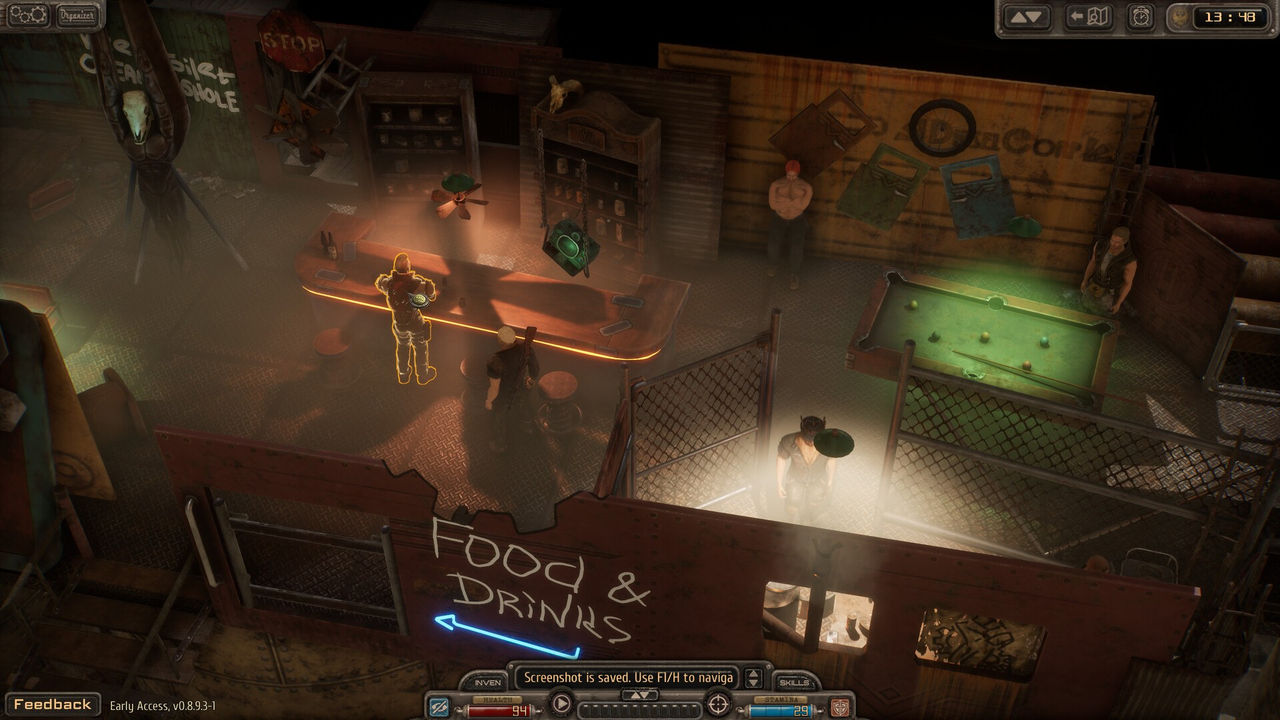
Two Specializations, One Combat and One Peaceful
During character creation you also pick two specializations. The first covers your weapon preferences and the second your peacetime profession; the skills you choose grow faster, unlock special dialogue lines and give access to a set of perks. Perks are not a single pool: there are 21 universal perks, plus seven that belong to your combat specialization and seven that belong to your non-combat specialization, and the number of perks your character can actually take depends on your attributes. Some perks unlock active combat abilities, so the specialization choice feeds straight back into combat.
The peaceful half is not a flavour choice. The store page says there are five non-combat specializations to choose from, each unlocking new dialogue options and new ways to solve problems, and the combat specialization does the same job for fights. In practice your specialization selection is the first place where you decide which problems you will solve by talking and which by shooting.
Karma: The System That Locks You Out of Content
There are five Karmic Types in Olympus 2249, running from a Moralist to a bluntly named extreme, and press coverage confirms there are five starting options that shape how people respond to you and which opportunities become available. Dialogue options depend on your type: you get your own lines, the lines of the two adjacent types, and options tied to your non-combat specialization. Picking the lines of a neighbouring type accumulates the corresponding points, so a character can drift gradually rather than being locked into a label at creation.
The consequences are structural, not cosmetic. Quests and dialogue affect Karma and Karma in turn affects quests and dialogue: with a given worldview some quests, some solutions and sometimes whole locations will never open to you, while others open only for that type. One careless reply can close a faction for the rest of the run, which is why saving before a conversation you care about is cheaper than reloading a save from an hour earlier.
Combat: Treat Every Fight as a Puzzle
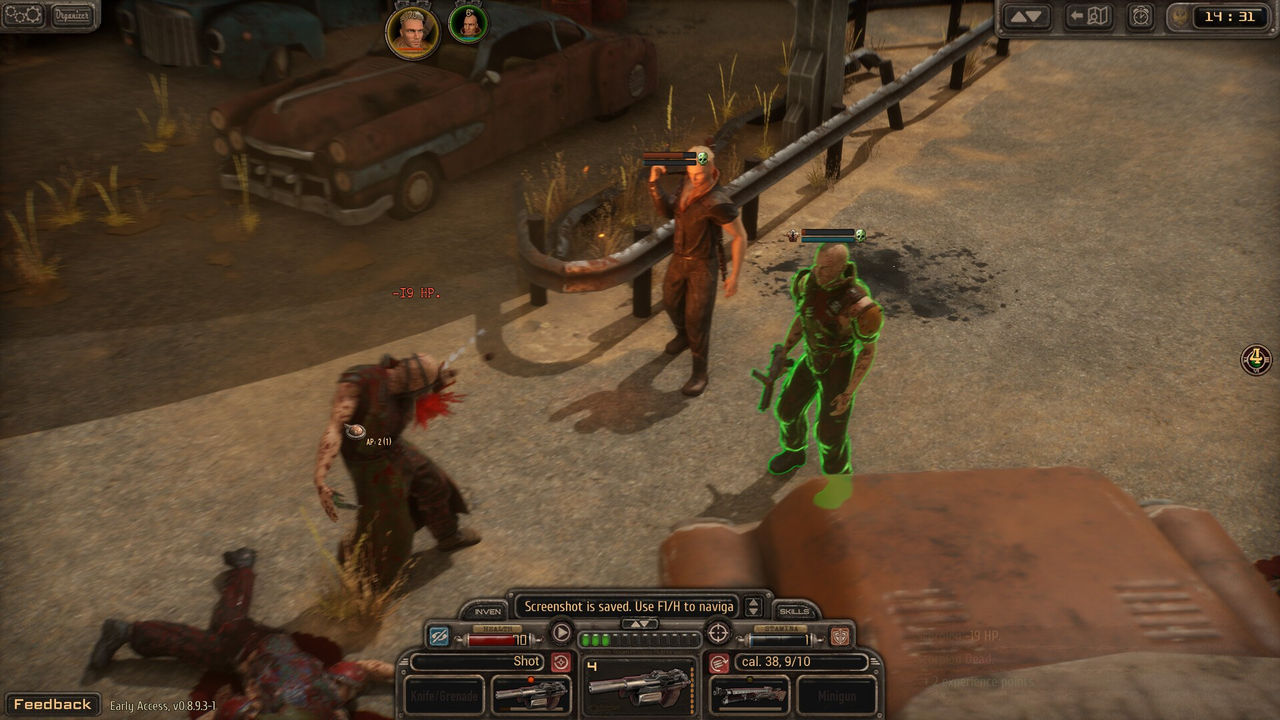
Combat is turn-based and runs on action points, with a second resource, stamina, paying for special combat abilities. Aimed shots are the headline mechanic and they are not animations: hit the arm holding a weapon and the enemy is effectively disarmed, hit a leg and they slow down. Hard fights are described as puzzles with more than one correct solution rather than races to see who has the bigger damage number.
The environment is the other half of the puzzle. You can kick a fuel barrel toward a group of enemies and detonate it with a well-aimed shot, set spilled oil alight, or use electricity and traps the battlefield hands you. Ignoring the scenery in the opening fights is the fastest way to make them feel unfair, and scanning the combat zone before you spend your first action is the habit worth building.
A First-Playthrough Checklist
- Take one of the four presets if you are new to the system, and build a custom character on your second run.
- Pick one combat specialization and one peaceful specialization you will actually use, because both gate dialogue and perks.
- Accept that you cannot max a paired attribute: choose which pole of the pair you want and leave the other behind.
- Save before conversations that could close a faction, since Karma outcomes are not reversible in the moment.
- Scan every combat zone for a barrel, an oil spill or a live panel before you attack the nearest enemy.
- Explore off the marked path: unmarked locations, such as a shooting range near the starting area, award experience just for curiosity.
- Budget your perks, because how many you can take is capped by your attributes rather than by your level alone.
Work through those in order and the opening hours stay readable. From here, the how to play guide walks through character creation step by step, combat, stealth, crafting and skills each cover a single system, and achievements lists all twelve Steam achievements with their exact unlock conditions.
FAQ
- Is Olympus 2249 playable right now?
- Yes. Olympus 2249 entered Steam Early Access on 6 October 2026 at $19.99. The Early Access build is the first of three planned story acts, and the developers estimate three to seven hours of content depending on your build, your approach and how many side quests you take.
- What kind of game is Olympus 2249?
- It is a single-player, isometric, turn-based cRPG from Dieselship Studio, set in a post-nuclear America designed in a dieselpunk style. The Steam page describes turn-based battles built on positioning, environmental hazards and stamina-powered abilities, with the option of solving problems without firing a shot.
- Do I need to play an earlier Olympus game first?
- No. Press coverage of the launch describes Olympus 2249 as a standalone cRPG from the team behind the earlier game Olympus 2207, rather than an expansion of it, so no previous title is presented as required reading. Because that framing comes from third-party coverage and not from the Steam store text, treat the exact relationship as to confirm.
- How many attributes can I max out?
- None of them fully. Attributes are grouped into opposing pairs, so strength and agility are two poles of one trait: put six points into strength and agility is capped at four. Balancing both at five makes a character who gets the peak bonuses of neither side, which the developers themselves flag as the weaker option.
- Can I finish Olympus 2249 without fighting?
- The store page says you can solve problems without firing a shot, and there is a Steam achievement, Words Over Bullets, for resolving a conflict peacefully when a fight has almost begun. It is not a peace-only mode: the same page lists frequent violence and gore, so expect fights you choose to take.
More in Game Guides
More game guides pages in Olympus 2249.
References
- Olympus 2249 on Steam
- RPG Codex: Olympus 2249 announcement and official feature list
- Turn Based Lovers: Olympus 2249 Early Access overview
- First look at Olympus 2249 gameplay (video)
Facts on this page are compiled from the references above. Items marked "to confirm" are single-source and not yet verified.