
Truckful · Systems · Guide
Truckful Cargo
Truckful cargo types explained: the fragile grandma vase and the ice cold fish that needs a fast delivery, and how each one changes the drive.
Truckful cargo is built around two named examples on the Steam store page, and they pull in opposite directions. Ice cold fish needs to be delivered fast, while a classic grandma vase will put your driving skills to the true test. Around those two, the store page describes fragile and shaky cargo of all shapes and kinds, so the bed of the pickup is meant to hold a mixed load rather than a single uniform crate.
The Two Documented Cargo Types
The store page's two examples are useful because they represent the two failure modes the game cares about. The vase is a handling problem: it is fragile, so the risk is damage rather than delay, and the store page frames it as a direct test of driving skill. The fish is a timing problem: it is described as ice cold and needing to be delivered fast, so the risk is the clock rather than the road.
| Cargo | Store page wording | What it punishes |
|---|---|---|
| Ice cold fish | Needs to be delivered fast | Slow routes and detours |
| Classic grandma vase | Will put your driving skills to the true test | Rough handling and hard driving |
| General cargo | Fragile and shaky, of all shapes and kinds | Assumes both risks exist in one load |
The third row is the one worth planning around. Because the store page describes the cargo as fragile and shaky and of all shapes and sizes, a mixed load is the normal case, which means the vase logic and the fish logic can apply to the same trip. Driving fast for the fish and gently for the vase at the same time is the tension the system is built on.
How Cargo Changes the Drive
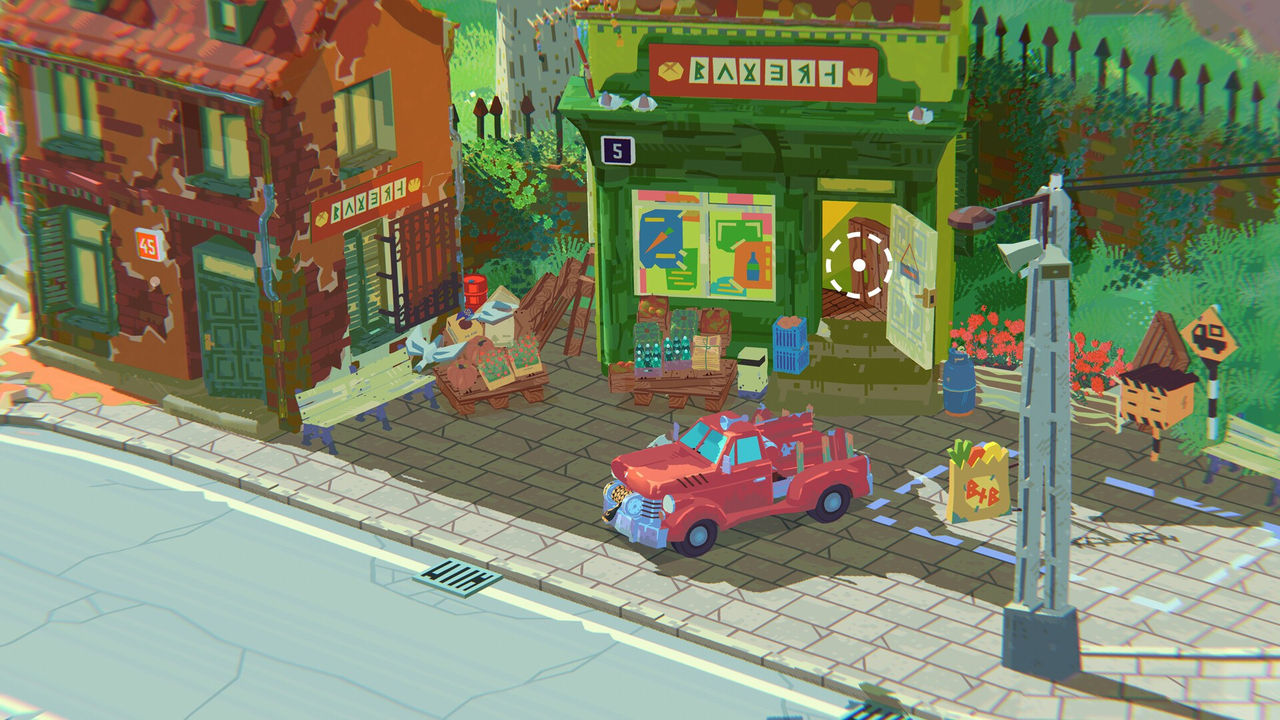
Cargo is where the game's physics-based handling stops being a bullet point and starts being a decision. The store page lists physics-based car handling as a feature and describes improving the truck's weight and load capacity to make it go faster through demanding routes, which only matters if what is in the bed changes how the truck drives.
The terrain list reinforces that. Winding countryside roads, dusty lowlands and small towns are the ordinary surface, while misty wetlands, unforgiving marshes and dusty quicksands are named among the harder environments. A load that is fine on a dry road can be a real problem across a marsh, so the upgrades page and this one describe the same trade-off from two ends: the truck decides what it can carry, and the cargo decides how carefully.
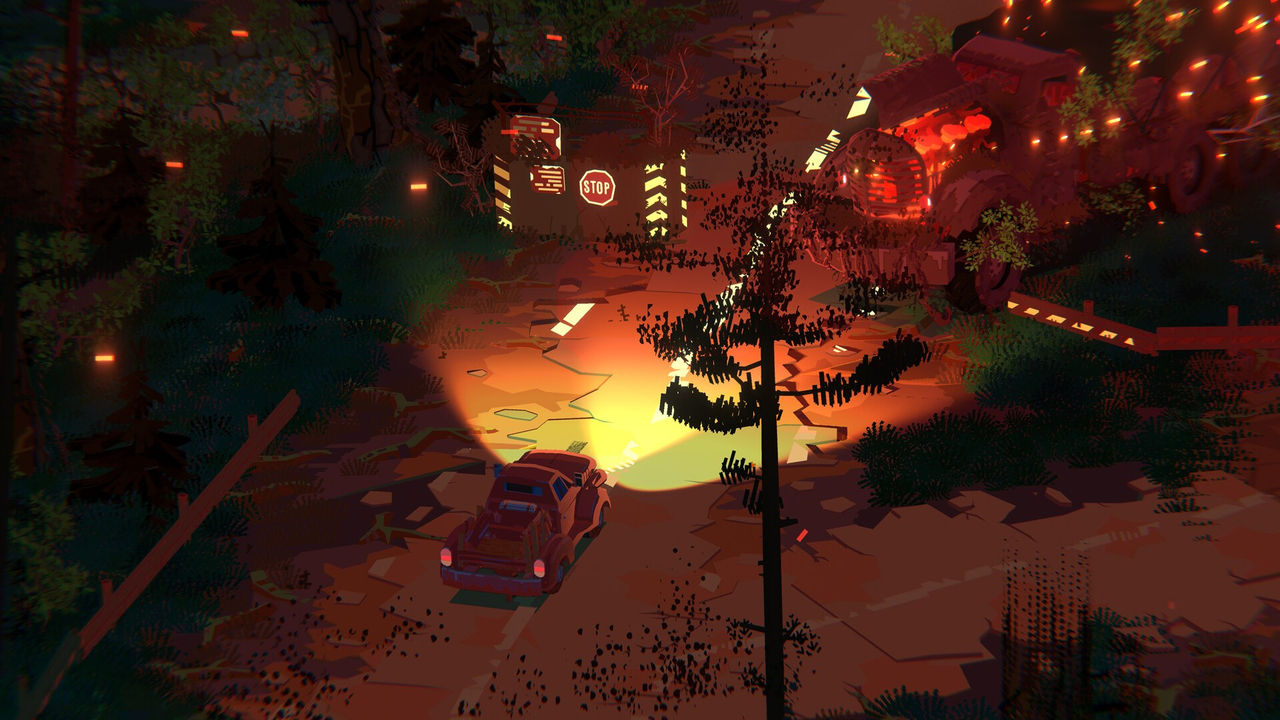
If you want the practical rule: match your driving to the cargo you can least afford to lose. When the bed holds something fragile, the fast line is usually the wrong line; when it holds something cold, the safe line is usually the slow one. The guide puts that habit into the first-hour loop, and the map page lists the terrain where it matters most.
What Is Not Documented Yet
The store page gives cargo examples, not cargo rules. There is no published capacity figure, no slot count, no weight limit, no damage meter and no spoilage timer, and the full list of goods is not documented yet beyond the two examples and the general description of fragile and shaky cargo. Whether a damaged delivery fails the errand outright or only reduces the reward is also unstated.
That means any specific claim about how many items fit in the bed, or how long ice cold fish stays cold, should be treated as unverified until MythicOwl or the Steam community documents it. What the store page does support is the shape of the challenge: some loads punish speed and some loads punish delay, and the truck is the tool you upgrade to make both easier.
FAQ
- What kinds of cargo does Truckful have?
- The store page gives two named examples that stand for the whole system: ice cold fish that needs to be delivered fast, and a classic grandma vase that will put your driving skills to the true test. Around them it describes fragile and shaky cargo of all shapes and kinds, so the bed is meant to hold a mix rather than one uniform box.
- Why is the grandma vase important?
- It is the store page's own example of cargo that tests driving skill. Because the vase is fragile, the risk is not that it arrives late but that it does not survive the trip, which shifts the challenge from speed to how smoothly you drive the route.
- What does ice cold fish change?
- It adds time pressure. The store page describes it as needing to be delivered fast, so this is the cargo that rewards a quick route rather than a careful one, and it is the direct opposite of the fragile vase in how it punishes mistakes.
- How much cargo can the truck carry?
- The store page says the pickup has a large cargo bed and that you can pack it with cargo of all shapes and sizes, but it does not publish a slot count, weight limit or capacity number. Those specifics are not documented yet.
- Is there a cargo damage or spoilage system?
- Not documented yet. The store page describes fragile and shaky cargo and a fast delivery requirement, which imply that handling and time matter, but it never names a damage meter, a spoilage timer or a fail state.
More in Systems
More systems pages in Truckful.
References
Facts on this page are compiled from the references above. Items marked "to confirm" are single-source and not yet verified.